


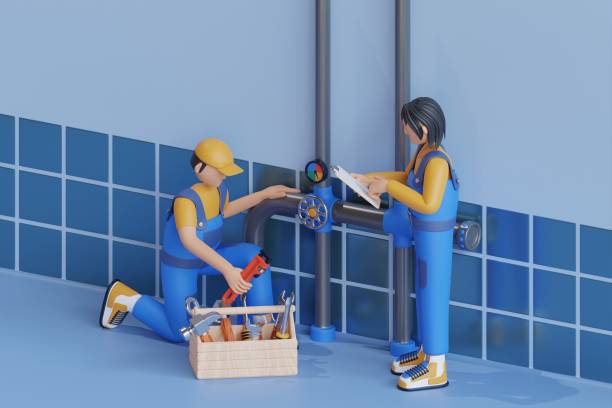
A second leak under the kitchen sink can make replacing every pipe sound reasonable. Yet a whole-house repipe is a major project, and one failed fitting doesn’t prove the entire system has reached the end of its life. Experienced plumbers look for patterns before recommending that level of work.
The Type of Pipe Matters, but So Does Its Condition
Pipe material gives an early clue, but age alone cannot decide whether repiping makes sense. Galvanized steel often develops internal corrosion that narrows the opening and leaves rust in the water. Copper can last for decades, though aggressive water conditions, installation problems, or physical wear may cause pitting and pinhole leaks. Certain older plastic supply pipes have their own histories of fitting or material failure. Rather than judging a home by its construction date, a plumbing service technician identifies the materials actually installed and looks for changes made during past renovations. Accessible sections beneath sinks, near the water heater, and around the main shutoff can reveal a mix of pipe types. Homes with mostly sound plumbing and one damaged branch may need targeted repairs, while widespread deterioration raises a different question.
Are Leaks Happening in One Spot or Throughout the House?
Leak history often makes the strongest case for or against a repipe. One pinhole leak beside a water heater can be an isolated failure, especially if nearby pipe remains sound. Several unrelated leaks across different rooms, however, may show that the same material is breaking down throughout the system. Repair records, water bills, and photographs of past damage help plumbers distinguish a one-time incident from an ongoing pattern.
Location matters too. Failures clustered around poorly made joints or exposed pipes may call for repairs to those specific areas. Damage spread across inaccessible walls and ceilings can make repeated patching expensive, even when each fix seems affordable on its own. Inspection also checks for leaks at fixture connections, which do not necessarily mean the supply piping itself needs replacement. A careful review prevents homeowners from paying for unnecessary work while an underlying issue goes unresolved.
Low Water Pressure Needs Testing Before Anyone Blames the Pipes
Pressure problems require testing because weak flow does not automatically mean old pipes are failing. Clogged faucet aerators, partly closed shutoff valves, faulty pressure regulators, and other restrictions can make particular fixtures behave badly. Technicians compare hot and cold water flow and measure pressure at suitable points in the system. They may also check whether the trouble began suddenly or developed over several years. Persistent low flow across multiple fixtures, especially in a home with heavily corroded galvanized piping, can support a replacement recommendation. By contrast, an isolated shower with poor output may have a problem in its cartridge or showerhead. Searching for a plumber near me can bring up plenty of options, but a worthwhile assessment separates pressure loss from flow restrictions before proposing new pipes.
What Rusty Water Reveals About the Supply Lines
Water discoloration deserves a closer look before anyone blames the house piping. Brown water from both hot and cold taps may follow utility main work, while rusty water at selected fixtures can signal corrosion within the property. Sediment from a water heater may affect only the hot side. Specialists identify which outlets show the problem and consider utility reports or water testing when needed. Color alone cannot determine whether every supply line requires replacement, particularly if the problem disappears after the municipal system returns to normal.
Chemistry can also affect how long plumbing materials last. Acidic or otherwise aggressive water may contribute to copper corrosion, while mineral deposits can gradually restrict flow in certain systems. Tests help distinguish pipe deterioration from problems that call for water treatment or equipment maintenance. Homeowners comparing plumbing services near me benefit from asking whether the inspection looks at both water quality and pipe condition. Repiping without addressing an underlying corrosion problem could leave the replacement installation facing similar damage in the future.
A Whole-House Repipe Should Fit the Home’s Actual Layout
Replacing pipes involves the home’s layout as much as its plumbing material. Lines running through an attic, slab, crawl space, or finished walls have different access requirements, and their routes determine how much drywall or other material needs to be opened. Contractors look at fixture locations, main shutoff access, connections to the incoming service line, and whether the hot-water distribution system needs modifications. Planning also includes permits, local plumbing codes, proper pipe supports, and protection from freezing where necessary. Comparing plumbing companies near me should therefore involve written scopes rather than a single price. Estimates should explain which lines are included, what replacement material is proposed, who handles wall repairs, and how long the water supply may be interrupted. Clear boundaries prevent a whole-house quote from leaving important sections untouched.
How Do Plumbers Decide Whether Repairs Are Still Worth It?
Decisions usually come down to the risk of another failure versus the cost and disruption of replacing sound material. Limited damage in accessible piping may justify a focused repair followed by monitoring. Frequent leaks across aging lines, serious internal corrosion, and repeated expensive wall openings can change that balance. People searching for the best plumbers near me should ask what inspection findings support a full repipe, what smaller repair options remain, and whether the contractor can explain those tradeoffs without pushing unnecessary replacements.
Wholesale replacement should follow a documented assessment, not a recommendation built around one stained ceiling. For Huntsville homeowners dealing with recurring leaks, poor water flow, or deteriorating supply lines, J Henry Plumbing offers water line repairs, replacements, and leak detection services. Its technicians can investigate plumbing problems, assess the condition of affected components, and help property owners determine whether a specific section needs attention or more extensive pipe replacement makes practical sense. That evaluation gives homeowners a better understanding of the work involved before making a major investment in their plumbing system.

