


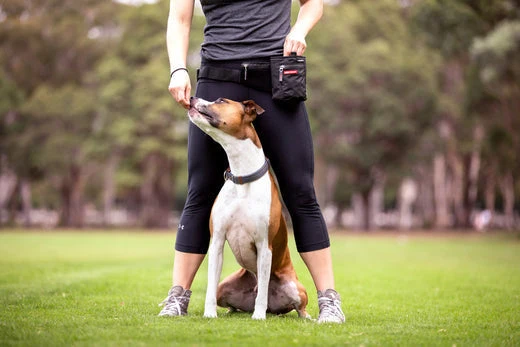
Age does not erase a dog’s ability to learn, even if new habits take more patience than they did years earlier. Senior dogs can still improve recall, leash manners, greetings, house routines, and other everyday skills when training fits their physical and mental comfort. Families considering dog training in Murfreesboro TN may get better results by focusing on steady improvement instead of comparing an older dog with a young puppy.
Older Dogs Can Learn New Patterns at a Different Pace
Maturity often gives older dogs one advantage: many already understand household routines and can settle long enough to focus. Long-standing behavior, however, may be more established after years of repetition, so changing it can take extra practice. Experienced dog trainers usually break new skills into smaller steps and give the dog enough time to process each request. Progress may look slower at first, but consistent work can still produce meaningful changes.
Practice also works best when sessions stay short enough to prevent fatigue or frustration. Ten focused minutes can be more useful than a long lesson that leaves the dog sore, distracted, or mentally checked out. Clear rewards, familiar spaces, and predictable routines help the dog understand what is being asked without adding unnecessary pressure.
Physical Comfort Changes How Training Should Be Structured
Joint stiffness, reduced hearing, vision changes, and lower stamina can affect how an older dog responds to cues. A dog that hesitates before sitting may be uncomfortable rather than stubborn, while a pet that misses a verbal command may simply need a stronger hand signal. Responsible Murfreesboro dog training should account for those possibilities before assuming the dog is refusing to cooperate. Veterinary input can also be useful when behavior changes suddenly or movement appears painful.
Trainers can then adjust exercises with non-slip surfaces, shorter repetitions, slower position changes, or cues that do not require repeated sitting and standing. Thoughtful training protects the dog’s comfort while still keeping the mind active.
Long-Standing Habits Need Clearer Replacement Behaviors
Repetition can make an unwanted habit feel automatic. Familiar routines such as barking at the window, pulling toward smells, jumping on visitors, or ignoring recall may have been practiced for years. Skilled dog trainers often focus on teaching a replacement behavior instead of spending an entire session trying to stop the old one.
For example, a dog that rushes the door can learn to move to a mat before guests enter. Another dog that pulls toward interesting scents can earn planned sniffing time for walking on a loose leash first. People searching for dog training near me may find this approach easier to maintain because it gives the dog a specific action to perform instead of relying on constant correction.
Motivation Still Matters More Than the Dog’s Birthday
Food, praise, toys, sniffing, and access to favorite spaces can remain powerful rewards well into a dog’s senior years. Preferences may shift with age, especially if chewing becomes harder or high-energy play is less appealing. Good dog training in Murfreesboro TN can identify what still captures the dog’s interest and use those rewards to keep lessons worthwhile.
Timing becomes especially important when an older dog responds more slowly. Prompt reinforcement helps connect the correct behavior with the outcome, while gentle pacing keeps training engaging without demanding the speed expected from a younger animal.
Household Consistency Helps New Skills Stick
Family members can accidentally preserve old habits by responding differently to the same behavior. One person may allow begging, another may feed from the table, and someone else may expect the dog to stay on a bed during meals. Consistent rules give an older dog a clearer pattern and reduce the amount of relearning needed from one day to the next.
Daily routines also provide easy chances to practice without turning the home into a training room. Meals can reinforce waiting, walks can build leash skills, and doorways can support impulse control. Practical Murfreesboro dog training works best when useful habits become part of normal life instead of existing only during scheduled lessons.
Progress Should Match the Dog’s Real Needs
Success does not have to mean perfect obedience in every setting. Better response to a name, calmer greetings, easier leash handling, or more reliable settling can make daily life noticeably smoother. Sensible goals respect the dog’s age, health, temperament, and history rather than expecting an older pet to work like a competition dog. Small gains deserve attention because faster recovery after distractions, fewer repeated cues, and better focus around familiar triggers can all show that the training plan is working.
Owners looking for dog training near me may benefit from professional help when they cannot tell whether age, discomfort, motivation, or an old habit is slowing progress. Specialists can watch how the dog moves, responds to cues, handles distractions, and recovers between exercises before adjusting the training plan. Talking Tails offers training support for Murfreesboro families who want to strengthen everyday behavior while working within an older dog’s comfort, attention span, and learning pace.

