


Replacing a broken commercial window gets complicated when workers cannot easily reach it. Narrow entrances, occupied offices, and limited loading areas can affect how glass panels are delivered, moved, and installed. Repair crews must account for these restrictions before starting work, especially when large or heavy glazing units are involved.
Checking Access Before the Repair Crew Arrives
A site inspection helps contractors determine how workers and replacement materials can reach the damaged opening. Narrow hallways, locked service entrances, low ceilings, and crowded loading areas may prevent crews from using standard glass-handling equipment. Contractors measure these spaces and identify obstacles before scheduling delivery.
Building managers should provide information about freight elevators, loading dock restrictions, and areas that require special access. Glass panels cannot always travel through the same openings used by employees or visitors, particularly when their dimensions exceed the available clearance.
Early planning also prevents unnecessary handling. Moving large panels through several tight corners increases the risk of striking walls, doorframes, or surrounding equipment. A suitable delivery path helps protect both the glass and the building.
Getting Large Glass Panels Through Tight Spaces
Commercial glazing often requires equipment that can safely support the weight of large panels. Glass carts, lifting devices, and vacuum lifters help workers move materials while maintaining control. However, these tools need enough space to operate, and their use depends on floor conditions and equipment limits.
For buildings with restricted entrances, contractors may consider exterior access or smaller handling equipment where appropriate. Any alternative method must still accommodate the required glass dimensions and installation specifications. Splitting one large opening into smaller panels is not always possible without changes to the framing system.
Can Repairs Continue While the Building Stays Open?
Businesses often need commercial glass repairs without closing their entire property. Contractors can sometimes isolate the work area using barriers, temporary partitions, and controlled entry routes. These measures help separate customers and employees from glass removal, lifting equipment, and installation activities.
Scheduling also makes a difference. Retail stores may prefer work outside peak shopping hours, while office buildings might arrange repairs before employees arrive. Property managers should discuss noise, dust, and temporary access restrictions before approving the schedule.
Emergency exits require special attention during occupied repairs. Work crews must maintain approved exit routes and avoid blocking fire safety equipment. If a damaged entrance cannot remain operational, building management may need to arrange a safe alternative route.
Reaching Windows Above Ground Level
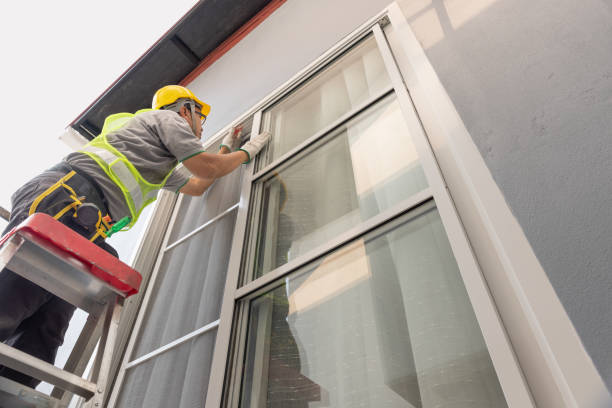
Upper-level commercial windows present different access problems from street-level storefronts. Workers may need mobile lifts, scaffolding, or suspended access equipment depending on the building height and surrounding conditions. Equipment selection must account for ground stability, nearby obstacles, and safe working clearances.
Repairs involving commercial glass in Birmingham AL may also require coordination around sidewalks, parking spaces, and public entrances. Contractors must determine whether equipment placement affects pedestrian movement or requires approval from property managers or local authorities.
Protecting Nearby Storefronts and Interior Finishes
Removing damaged glass can expose nearby surfaces to broken fragments, tools, and moving equipment. Protective coverings help shield flooring, display fixtures, furniture, and finished walls. Workers may also need to move merchandise away from the repair area before handling large glazing units.
Older framing requires careful attention because removing one panel can disturb worn gaskets, glazing stops, or adjacent components. Contractors repairing storefront glass in Birmingham should inspect surrounding materials before beginning removal. This helps identify parts that may need replacement during the same visit.
Planning Repairs Around Delivery and Installation Limits
Replacement glass often requires custom measurements, fabrication, and delivery arrangements. Large insulated units or specialty glazing may take additional preparation because manufacturers must produce panels that meet the building’s specifications. Limited access can also affect how replacement materials arrive and where crews temporarily store them.
Property owners searching for commercial glass repair near me should ask contractors about site inspections, access equipment, and installation requirements. Providing accurate building information early can reduce scheduling problems and unexpected changes once work begins.
Access restrictions are particularly relevant for older commercial buildings, occupied retail spaces, and properties with limited loading areas. NelBran handles commercial glass installation, repair, and replacement, including storefronts and glazing systems. Building managers considering the company can discuss restricted work areas, glass dimensions, and site conditions to help establish a repair approach suited to their property.

