


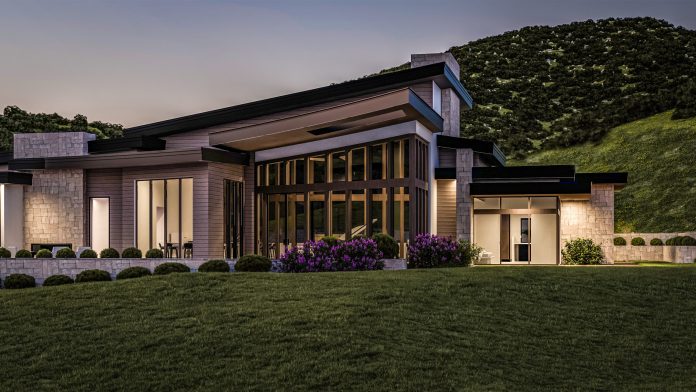
Most people think about architecture in terms of how a building looks from the street, but the real power of great architectural design is how it shapes the way you feel when you’re inside. The flow between rooms, the height of your ceilings, the way natural light moves through your space at different times of day — these are all decisions made early in the design process that you’ll live with for decades, which is exactly why getting them right matters more than almost any other choice you make.
Good architecture is deeply personal even when it doesn’t look flashy or expensive from the outside. Sometimes the best design decision is simply knowing where to place a window so morning sunlight hits your kitchen table just right, or how to orient a bedroom so street noise stays where it belongs. These small but deliberate choices are what separate a house that merely exists from a home that genuinely works for the people living in it.
The Role of Function in Beautiful Design
There’s a persistent myth that form and function are at odds in residential design, but the most admired homes in the world consistently prove the opposite. Spaces that are thoughtfully organized, correctly proportioned, and built to a human scale feel beautiful almost automatically, without needing expensive finishes to carry the room. Apartment Therapy’s architecture and design features explore how everyday homes can be elevated through intentional spatial planning and design choices that don’t require a massive budget to pull off well.
When a designer gets the fundamentals right, beauty tends to follow without needing to be forced or layered on after the fact. That’s what separates a home that photographs well from one that actually feels amazing to move through and live in every single day.
Why the Design Phase Deserves More of Your Budget
It’s tempting to cut design costs in order to put more money toward actual construction, but this logic almost always backfires in practice. Every hour your architect or designer spends working through the details upfront saves you multiple hours of costly problem-solving on-site later. The design phase is where you can freely explore, revise, and optimize without the expense of undoing physical work that’s already been completed.
For a deeper look at how architectural decisions affect long-term home value and everyday livability, This Old House’s guide to saving on your remodel offers practical guidance grounded in real renovation and build projects that homeowners can genuinely learn from and apply to their own plans.
Whether you’re building new or remodeling something that already exists, strong architectural design is the foundation everything else rests on. Invest in it early, and everything from your contractor bids to your final finishes will reflect that discipline. The homes people love most decades after they’re built didn’t happen by accident; they happened because someone made great decisions right at the very beginning.

